Sustainable Healthy Cooking Classes
Discover how Cleaneatingmethod transforms the way you approach food preparation, environmental responsibility, and culinary wellness through hands-on, evidence-based cooking education.
The information on this site is for educational purposes only and does not constitute medical advice. Always consult a qualified healthcare professional before making health decisions.
What Makes Our Classes Unique
Our curriculum combines practical skill development with foundational knowledge about sustainable ingredients, seasonal cooking, and nutritionally balanced meal preparation.
Farm-to-Table Philosophy
Learn sourcing strategies for seasonal, locally-grown ingredients. Our classes teach you how to identify quality produce, understand harvest cycles, and build relationships with farmers' markets and organic suppliers in Germany.
Practical Cooking Techniques
Hands-on demonstrations cover knife skills, proper food storage, nutrient-preserving cooking methods, and efficient meal planning. Each session emphasizes real-world kitchen applications you can implement immediately.
Environmental Responsibility
Explore food waste reduction, composting strategies, sustainable packaging choices, and low-impact cooking practices. We discuss how consumer choices influence agricultural systems and ecosystem health.
Whole-Food Nutrition Focus
Understand how whole food preparation supports energy, vitality, and overall wellbeing. Classes explore nutrient density, ingredient quality, and how cooking methods preserve beneficial compounds in vegetables, grains, and proteins.
Evidence-Based Education
Our curriculum is rooted in scientific understanding of food chemistry, plant biology, and culinary science. Instructors reference peer-reviewed research to explain why certain cooking methods optimize food quality and nutrient availability.
Community-Centered Learning
Small group classes foster peer learning and shared experience. Participants exchange recipes, sourcing tips, and cooking stories. We build a supportive community around sustainable food practices in the Leipzig region.
The Impact of Sustainable Cooking Choices
Every meal you prepare is an opportunity to support regenerative agriculture, reduce environmental strain, and invest in your family's wellbeing. Sustainable cooking isn't a trend—it's a foundational shift in how we relate to food, farmers, and our health.
- Reduces Food Waste: Learn storage, preservation, and creative use of vegetable scraps and imperfect produce.
- Supports Local Farmers: Direct sourcing from regional producers strengthens agricultural biodiversity and community resilience.
- Lowers Carbon Footprint: Seasonal, local eating dramatically reduces transportation emissions and storage energy needs.
- Enhances Nutritional Value: Fresh, in-season produce contains higher concentrations of vitamins, minerals, and phytonutrients.
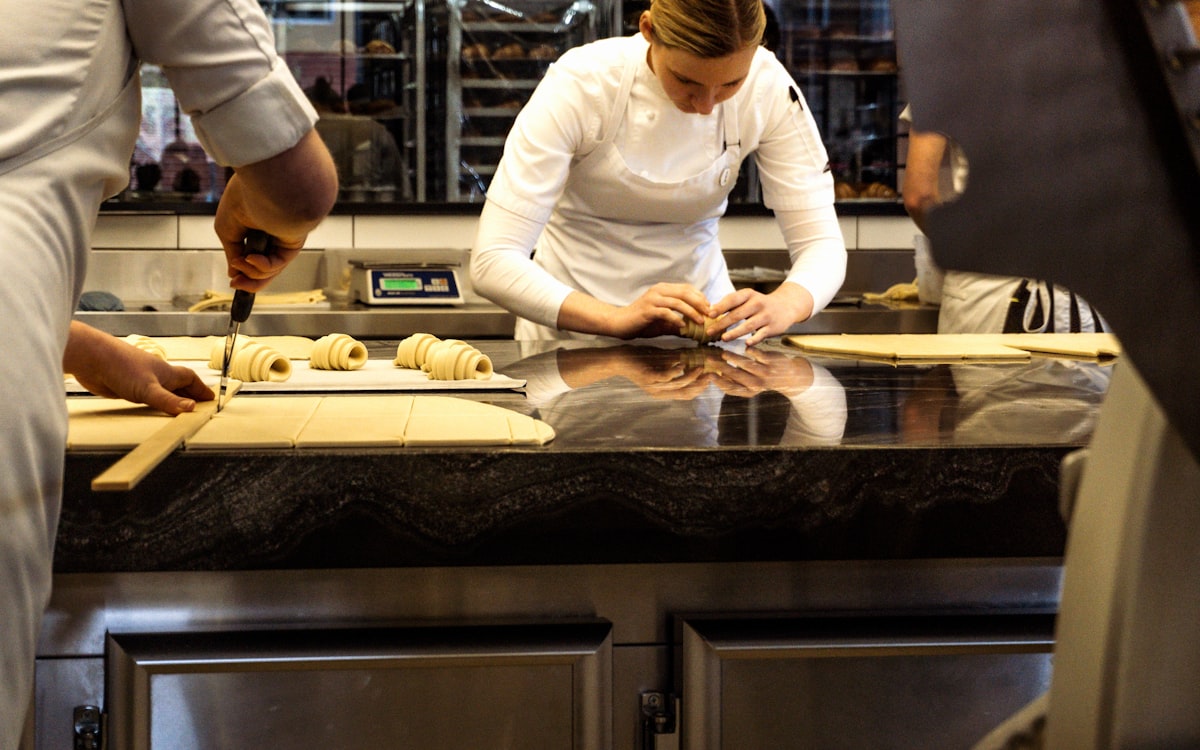
Your Sustainable Cooking Journey
From foundational knowledge to advanced techniques, our progressive curriculum guides you through every aspect of sustainable food preparation.
Foundation & Philosophy
Explore the principles of sustainable food systems. Understand seasonal eating calendars for Germany, meet local producers, and learn how your choices ripple through agricultural and ecological networks.
Core Cooking Skills
Develop knife techniques, proper equipment use, and fundamental cooking methods. Practice vegetable preparation, grain cooking, and protein preparation while preserving maximum nutritional value and flavor.
Menu Planning & Nutrition
Learn to build nutritionally balanced meals using whole foods. Create weekly menus based on seasonal availability, batch-prepare meals efficiently, and plan your shopping around sustainable ingredient sourcing.
Advanced Techniques & Preservation
Master fermentation, sprouting, proper food storage, and preservation methods. Learn how to extend the life of seasonal produce while developing deeper, more complex flavors and maximizing probiotic content.
Lifestyle Integration & Community
Integrate sustainable cooking into your daily life. Share knowledge with friends and family, connect with our growing community of conscious home cooks, and continue your culinary education through ongoing workshops.
Flexible Learning Formats
Whether you prefer intimate hands-on sessions or detailed instructional content, we offer multiple ways to engage with sustainable cooking education.
In-Person Workshops
Join us in our Leipzig kitchen studio for interactive, hands-on classes. Small groups ensure personalized attention, direct feedback on technique, and direct access to instructors. Each session includes ingredient sourcing discussion and take-home recipes.
Various schedules available
Editorial Content
Access our comprehensive articles, guides, and seasonal columns about sustainable food practices. Learn at your own pace through detailed written instruction, ingredient profiles, and expert commentary on food systems and nutrition.
Updated regularly
Community Events
Participate in seasonal potlucks, farmers' market tours, and group cooking sessions. Build relationships with fellow enthusiasts, exchange recipes and sourcing strategies, and create accountability partnerships around sustainable eating goals.
Regular gatherings
Traditional vs. Sustainable Cooking
Understand how sustainable cooking practices create different outcomes across health, environmental, and culinary dimensions.
| Aspect | Conventional Approach | Sustainable Approach |
|---|---|---|
| Ingredient Sourcing | Industrial suppliers; year-round consistency; long-distance transport | Local farmers; seasonal variety; minimal transportation; direct relationships |
| Produce Quality | Often picked unripe; stored in climate-controlled warehouses; long shelf time | Harvested at peak ripeness; shorter transport; higher micronutrient density |
| Food Waste | High waste; inedible parts discarded; limited use of whole vegetables | Minimal waste; vegetable scraps used for stock; creative whole-food cooking |
| Environmental Impact | High carbon emissions; monoculture farming; chemical inputs; soil depletion | Lower emissions; biodiversity support; regenerative practices; soil health |
| Cooking Methods | Convenience-focused; packaged/processed foods; quick heat cooking | Nutrient-preserving; whole foods; proper timing; gentle techniques |
| Community Connection | Anonymous supply chain; industrial producers; disconnected from food origin | Direct farmer relationships; local economy support; transparent food systems |
| Personal Health | Often nutrient-depleted; synthetic residues possible; processed ingredients | Higher nutrient density; cleaner ingredients; mindful preparation practices |
Class Highlights & Community
Real moments from our sustainable cooking classes in Leipzig. See how students engage with ingredients, techniques, and each other.
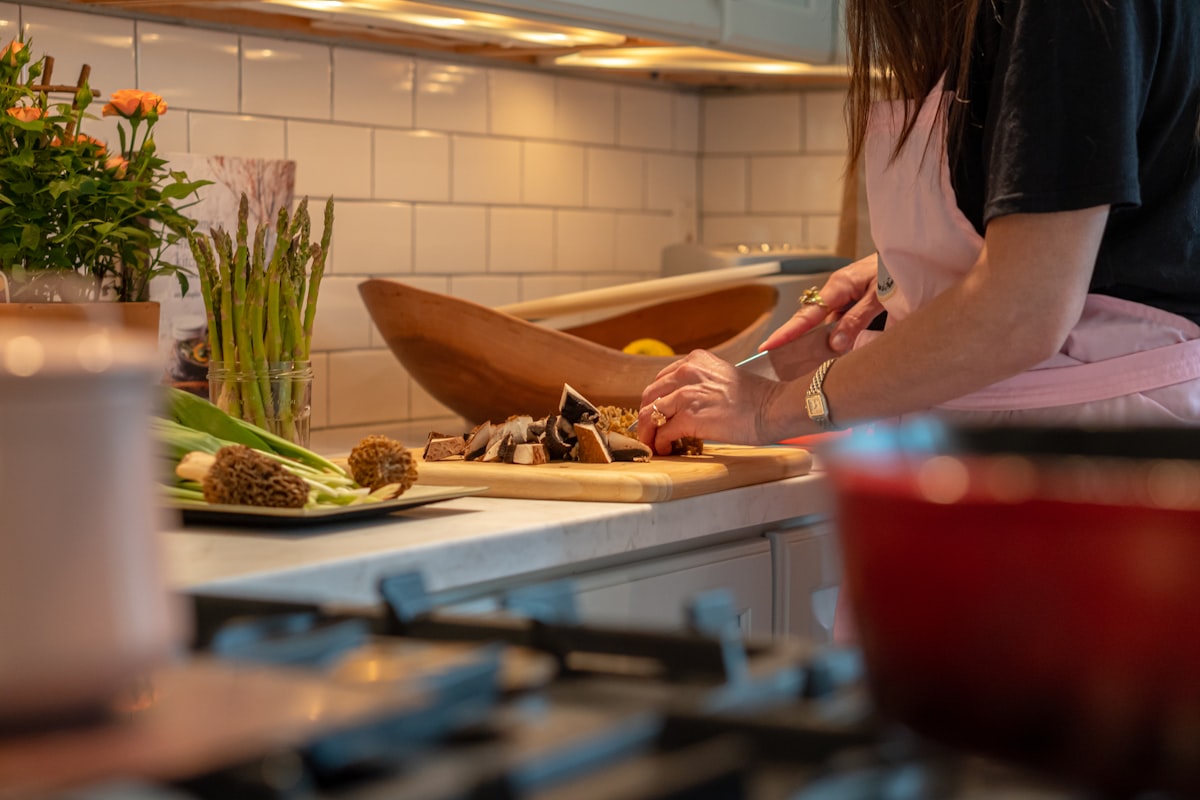
Knife Skills Workshop
Master proper cutting techniques for vegetables and herbs
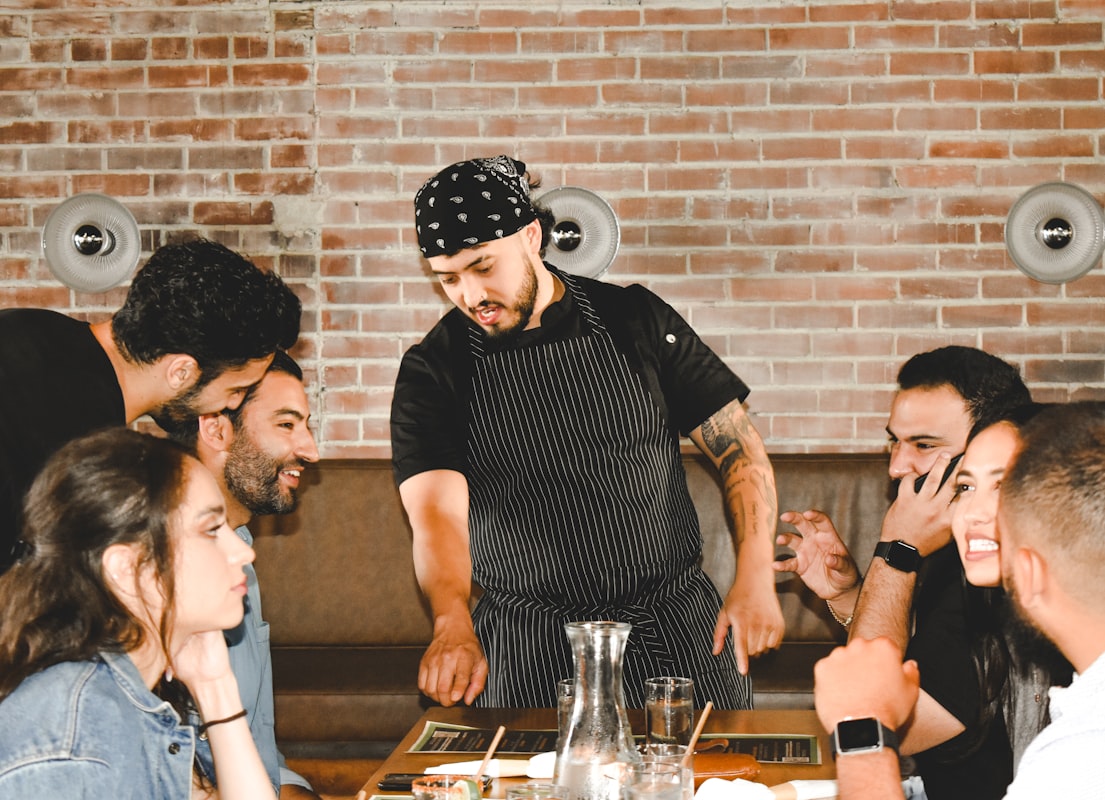
Seasonal Menu Creation
Build balanced, nutritious meals from in-season ingredients
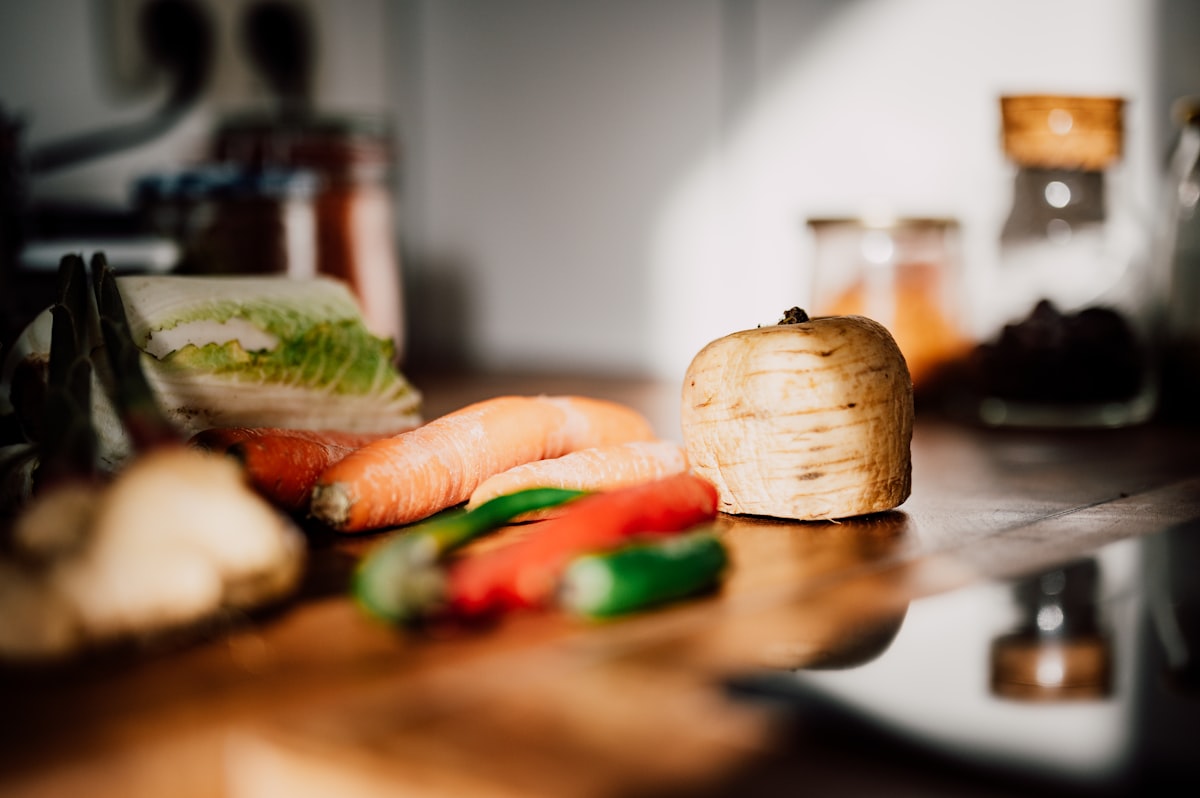
Farmers Market Tour
Connect with local producers and learn ingredient selection
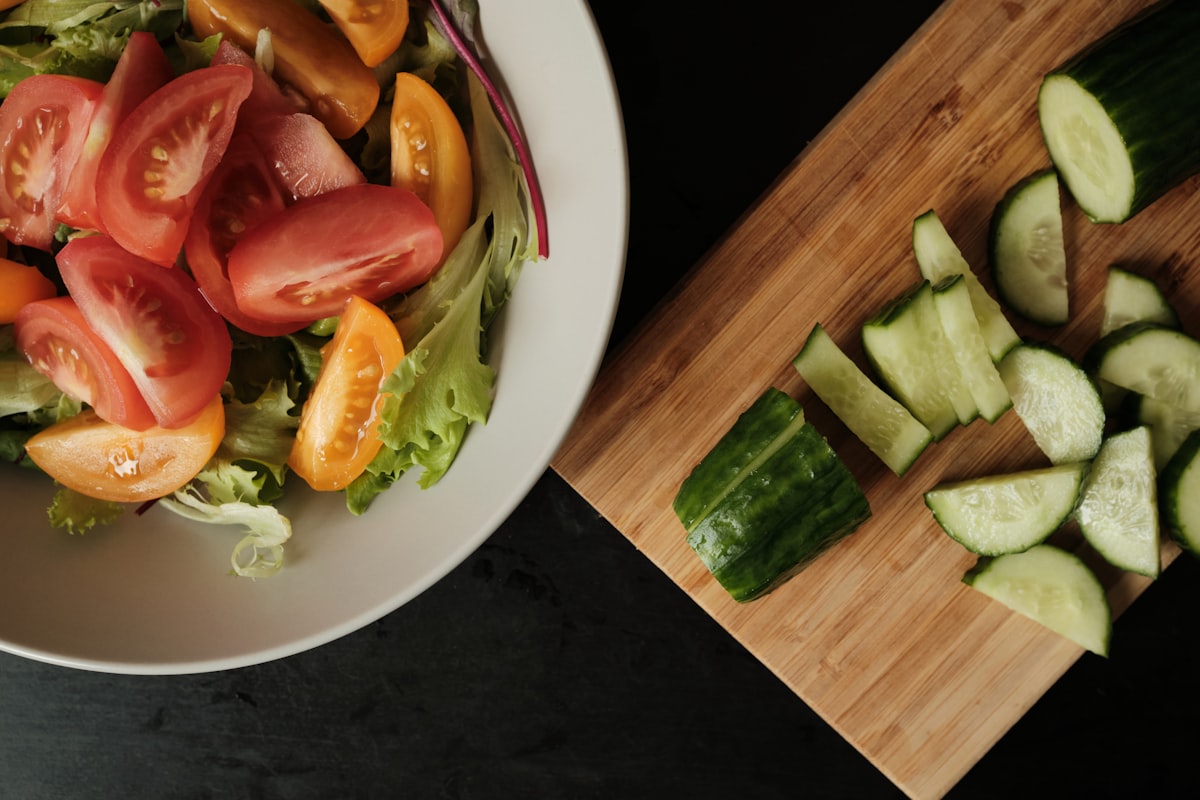
Preservation Techniques
Learn fermentation, pickling, and storage for seasonal abundance
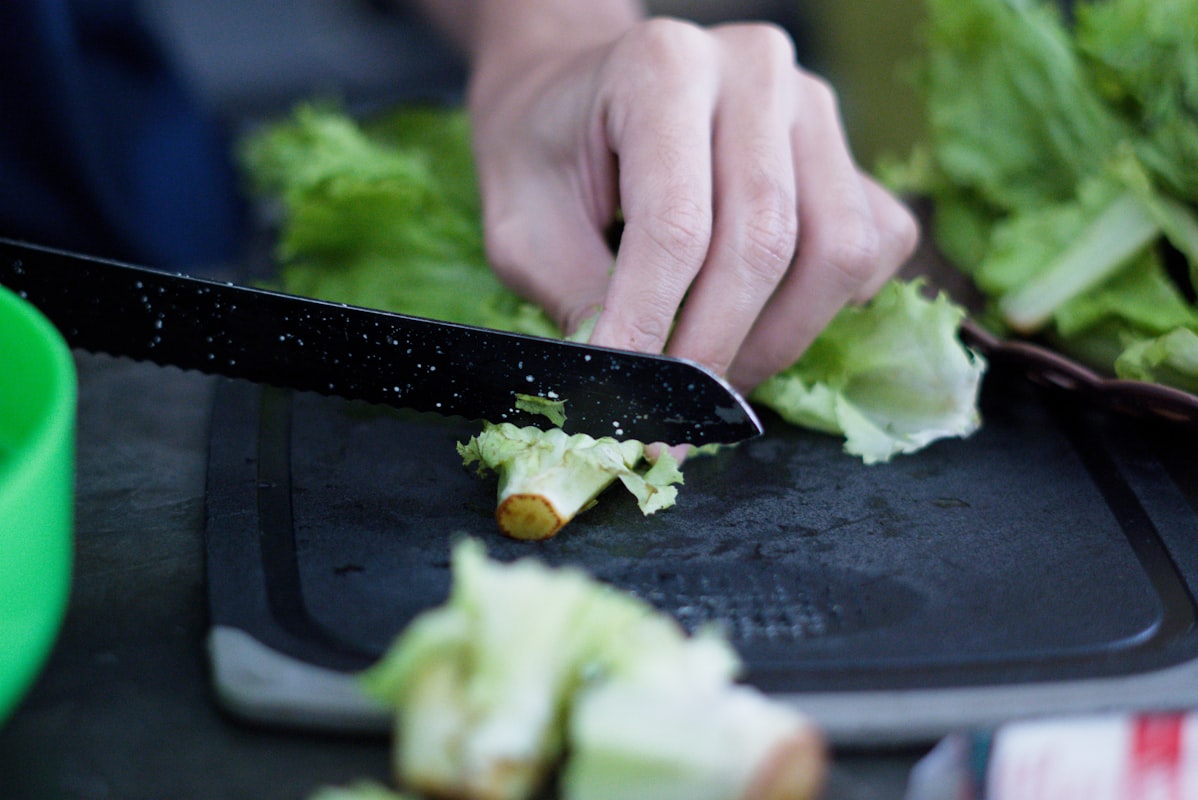
Hands-On Instruction
Personalized guidance on cooking methods and techniques
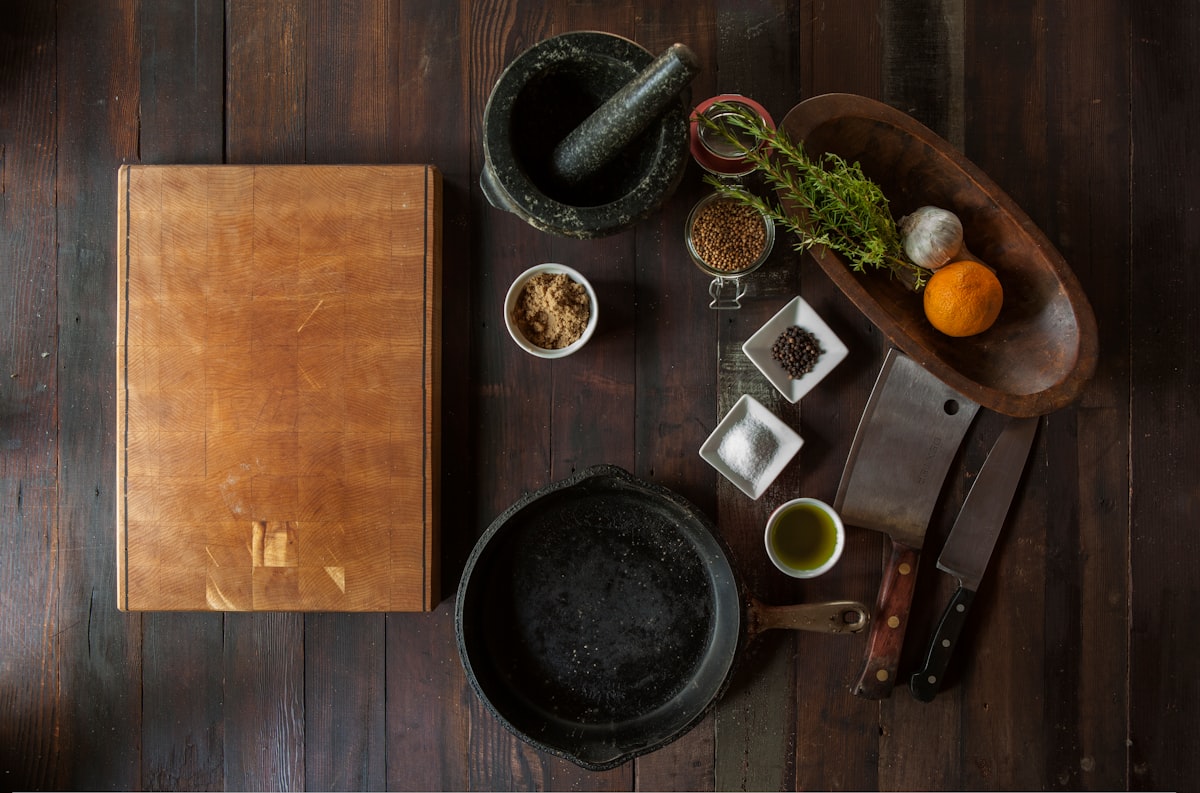
Community Gathering
Share meals, recipes, and experiences with like-minded cooks
What Our Students Say
Real feedback from participants who've transformed their cooking practices and food relationships through Cleaneatingmethod classes.
"I came thinking I'd learn some recipes. Instead, I discovered an entirely new relationship with food. The understanding of seasonal rhythms, the sourcing knowledge, and how to honor ingredients has fundamentally changed how I cook and eat. This isn't just about recipes—it's about respect for the whole food system."
— Maria Schneider, Leipzig
"The hands-on approach made all the difference. I actually know how to properly prepare vegetables now, and I understand why certain cooking methods matter. Plus, the community aspect is wonderful . My family notices the difference in flavor and nutrition."
— Thomas Chen, Berlin
"I was skeptical at first, but the Cleaneatingmethod philosophy transformed my relationship with food. I've lost weight, feel more energetic, and I'm no longer stressed about what to eat. It's sustainable and real."
— Sophie Moreau, Paris
Frequently Asked Questions
What makes Cleaneatingmethod different from other nutrition programs?
The Cleaneatingmethod focuses on whole foods, sustainable habits, and understanding the "why" behind every choice. We emphasize food quality, cooking techniques, and community support rather than restrictive dieting or quick fixes.
Do I need special equipment or expensive ingredients?
No. The method works with basic kitchen tools and locally-available whole foods. We teach you to work with what you have and build skills that translate anywhere. Quality matters more than quantity or cost.
How long before I see results?
Many people notice improved energy and digestion within 2-3 weeks. Long-term results—sustainable weight loss, better habits, renewed relationship with food—typically develop over 8-12 weeks as the approach becomes part of your lifestyle.
Is the program suitable for dietary restrictions (vegan, gluten-free, etc.)?
Absolutely. The Cleaneatingmethod is flexible and can be adapted to any dietary preference or restriction. We focus on clean, whole-food principles that work across all eating styles and cultural backgrounds.
What kind of support is included?
Our programs include access to our community forum, weekly guidance sessions, personalized meal frameworks, cooking tutorials, and direct support from our team. You're never alone on this journey.
Ready to Transform Your Relationship with Food?
Join thousands who've discovered the clarity, energy, and joy that comes from eating clean. Start your journey with the Cleaneatingmethod today.
No credit card required. Free introductory resources available immediately.